Average Bacterial Genome Size: What to Expect and Why It Matters

Estimated reading time: < 1 min

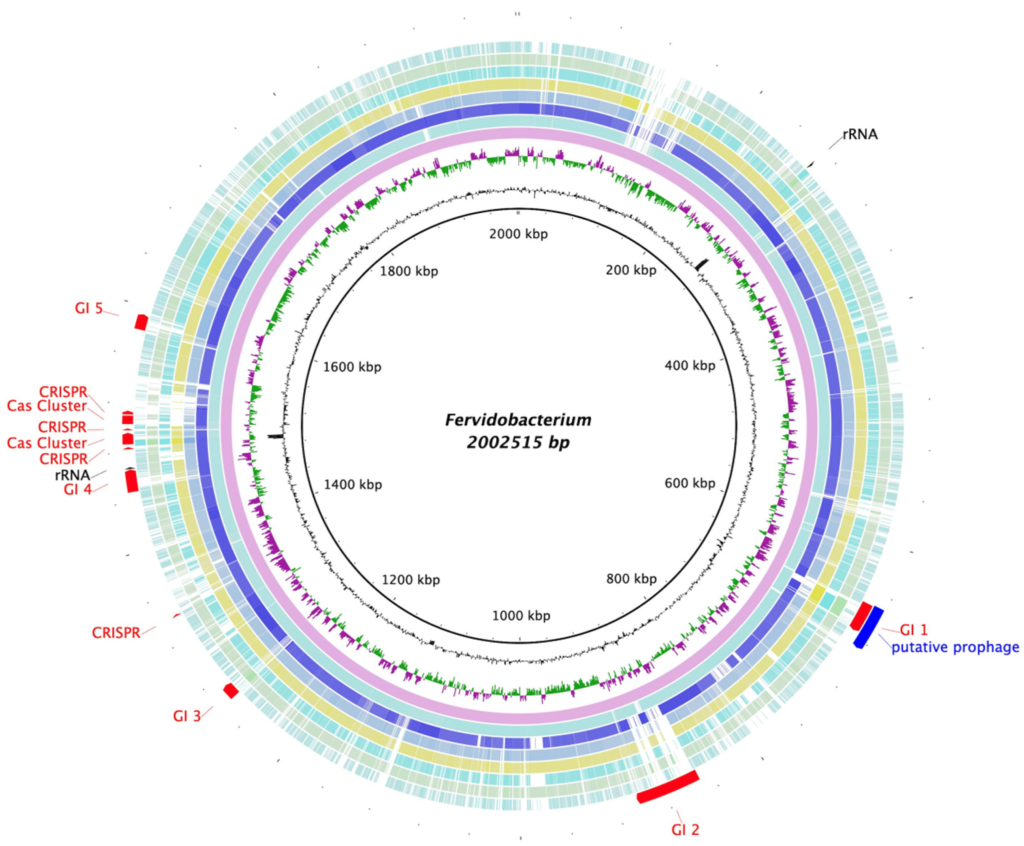
Circular bacterial genome map showing annotated genes and genomic features

Table of Contents


Introduction

Bacterial genomes vary widely in size depending on their ecology, lifestyle, and evolutionary history. Understanding the average bacterial genome size is essential for designing sequencing experiments, estimating coverage, and interpreting genomic complexity.

In this article, we explore genome size ranges across bacteria and explain what drives genome expansion and reduction.


What Is the Average Bacterial Genome Size?

The average bacterial genome size typically ranges between 3 to 5 megabases (Mb), although this can vary significantly.

  • Small genomes: ~0.5–1 Mb (endosymbionts)
  • Typical bacteria: ~3–5 Mb
  • Large genomes: >8 Mb (soil bacteria)

Examples of Bacterial Genome Sizes

  • Escherichia coli → ~4.6 Mb
  • Bacillus subtilis → ~4.2 Mb
  • Mycoplasma genitalium → ~0.58 Mb
  • Streptomyces spp. → >8 Mb

Why Genome Size Matters

Genome size influences:

  • sequencing depth requirements
  • assembly complexity
  • functional diversity

For example, larger genomes often encode more metabolic pathways and regulatory genes.


Genome Size and Sequencing Strategy

Knowing genome size helps determine:

  • required sequencing coverage
  • choice of sequencing technology
  • assembly approach

See our guide on bacterial genome sequencing for technology comparisons.


Final Thoughts

Although the average bacterial genome size falls between 3 and 5 Mb, real-world variation is substantial. Understanding genome size helps researchers design better sequencing experiments and interpret genomic data effectively.

For support with genome assembly and analysis, explore our Microbial Genomics Services.

Ready to uncover the functional landscape of your microbial samples?

Explore our services at Tailoredomics. Request a quote or contact us for consultation

Leave a Reply

Circular bacterial genome map showing annotated genes and genomic features
Microbial Genomics
Rubén Javier López

Average Bacterial Genome Size: What to Expect and Why It Matters

Introduction Bacterial genomes vary widely in size depending on their ecology, lifestyle, and evolutionary history. Understanding the average bacterial genome size is essential for designing sequencing experiments, estimating coverage, and interpreting genomic complexity. In this article, we explore genome size ranges across bacteria and explain what drives genome expansion and reduction. What Is the Average Bacterial Genome Size? The average bacterial genome size typically ranges between 3 to 5 megabases (Mb), although this can vary significantly. Small genomes: ~0.5–1 Mb (endosymbionts) Typical bacteria: ~3–5 Mb Large genomes: >8 Mb (soil bacteria) Examples of Bacterial Genome Sizes Escherichia coli → ~4.6

Read More »
Bioinformatic Workflows
Rubén Javier López

Metagenomic Binning Tools Compared: MetaBAT2 vs MaxBin2 vs CONCOCT

Introduction Shotgun metagenomics allows researchers to sequence all genetic material in an environmental sample. However, after assembly, the resulting dataset contains thousands of contigs from multiple organisms. To reconstruct individual microbial genomes, these contigs must be grouped into bins. This process is known as metagenomic binning. In this article, we compare the most widely used metagenomic binning tools and explain how to choose the right approach for recovering high-quality metagenome assembled genomes (MAGs). If you are new to metagenomics workflows, see our guide: Metagenome Assembly Pipeline. What Is Metagenomic Binning? Metagenomic binning is the process of grouping assembled contigs into

Read More »